Budget Test Equipment Under $200 That Actually Works
The best budget test equipment in 2026 for electronics hobbyists. Multimeters, oscilloscopes, soldering irons, and power supplies tested and reviewed.
On this page
On this page
Key takeaways
- The Aneng AN8008 ($25) is the best value multimeter under $50: true RMS, within 0.5% of a Fluke on DC voltage, but replace the included leads immediately.
- The Hantek DSO2D10 ($180) is the entry point for a real oscilloscope; 100MHz bandwidth verified, and the built-in signal generator outputs clean waveforms to about 10MHz.
- The FNIRSI HS-02B ($50) USB-C soldering iron heats to 350°C in under 10 seconds and uses JBC-compatible tips, but requires a 65W+ power delivery source to work properly.
- The RD6006 is the best value bench power supply if you supply your own 24-48V input and build or buy an enclosure; output regulation holds within 10mV under load and the current limit actually works.
- Measure everything. If you think a component should work, confirm it with the scope before wiring it into your design.
I've wasted money on junk equipment. Meters that drift. Scopes that lie. Power supplies that catch fire (almost).
This is the gear I actually trust on my bench. Everything here has been tested. Not "reviewed" from a press kit. Tested. Measured. Used until something broke or until I trusted it.
Some links are affiliate links. I only link to products I own and use.
Multimeters
Aneng AN8008 (~$25)
This is the budget king. True RMS, decent accuracy, doesn't lie to you.
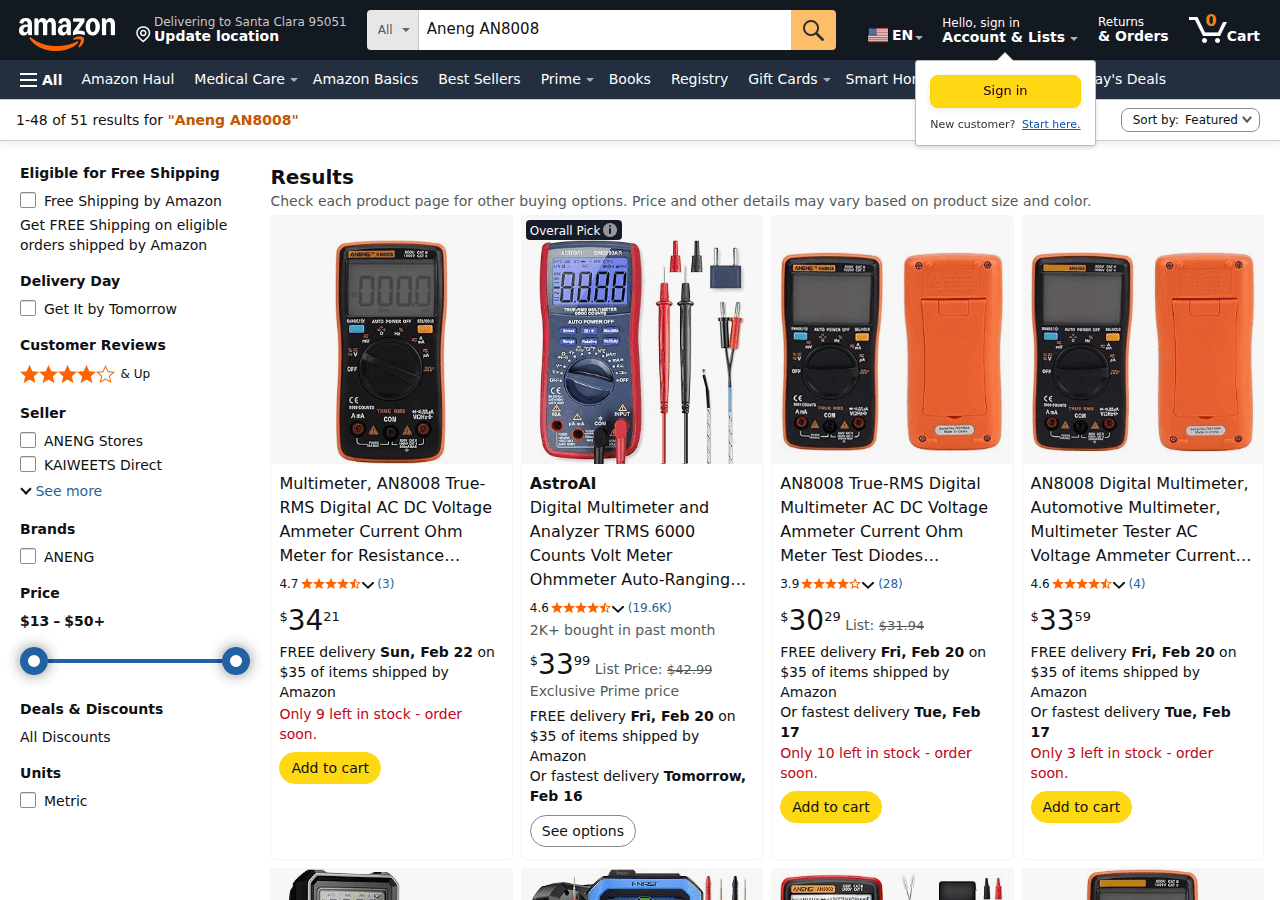
What I measured:
- DC voltage accuracy within 0.5% of my Fluke reference
- AC RMS actually works (verified against known loads)
- Continuity beep is fast enough to be useful
Limitations:
- Input protection is adequate, not great. Don't probe mains with this.
- Leads are mediocre. Replace them.
Verdict: Best value under $50. I keep one as a backup.
UNI-T UT61E+ (~$80)
When you need better accuracy and logging.
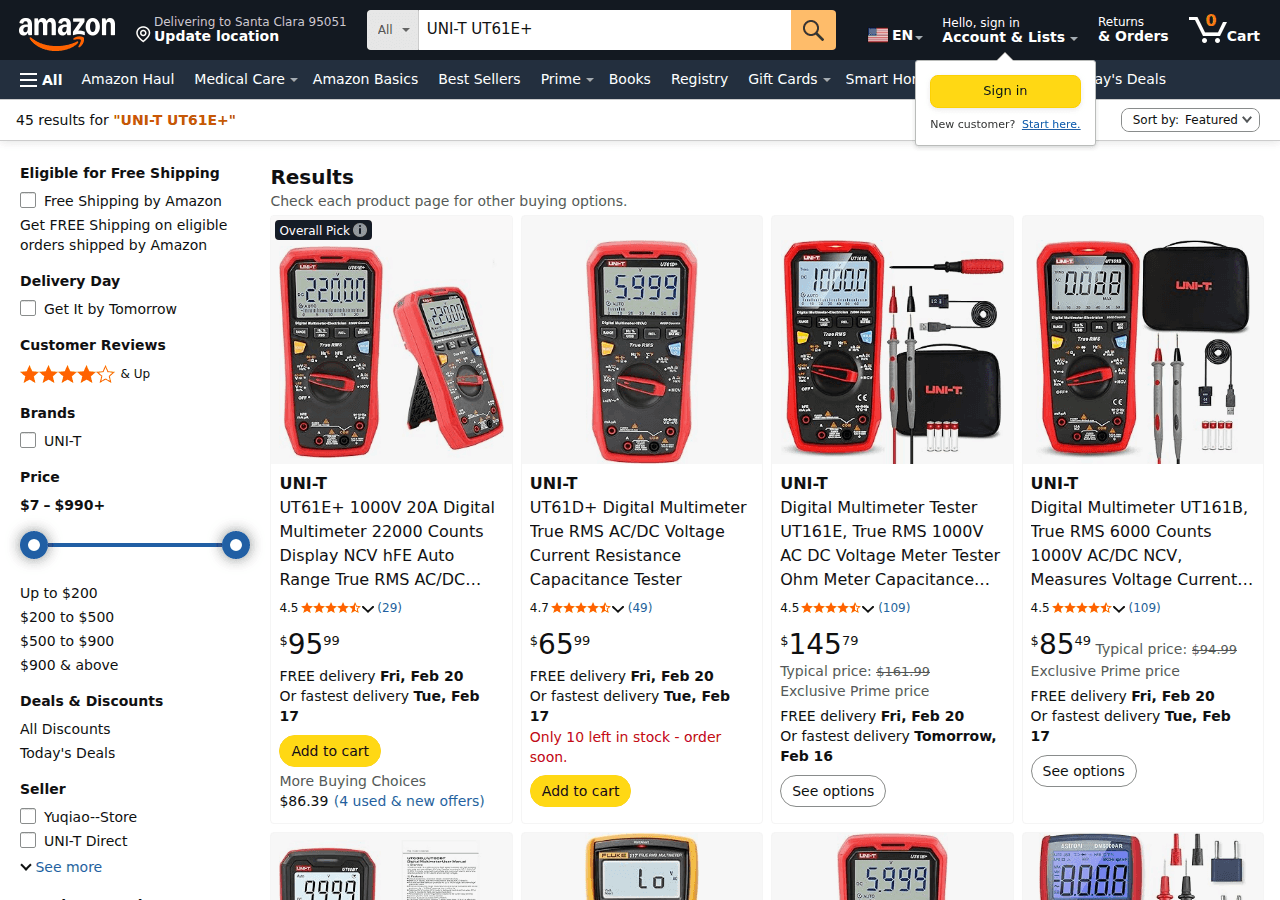
What I measured:
- 22000 count display. Actually useful resolution.
- USB data logging works with Sigrok.
- True RMS on AC.
Limitations:
- Software is Windows-only garbage. Use Sigrok.
- Still not a Fluke. Don't bet your life on it.
Verdict: Solid mid-range. Good for development work.
Oscilloscopes
Hantek DSO2D10 (~$180)
2-channel, 100MHz, built-in signal generator. Ridiculous value.
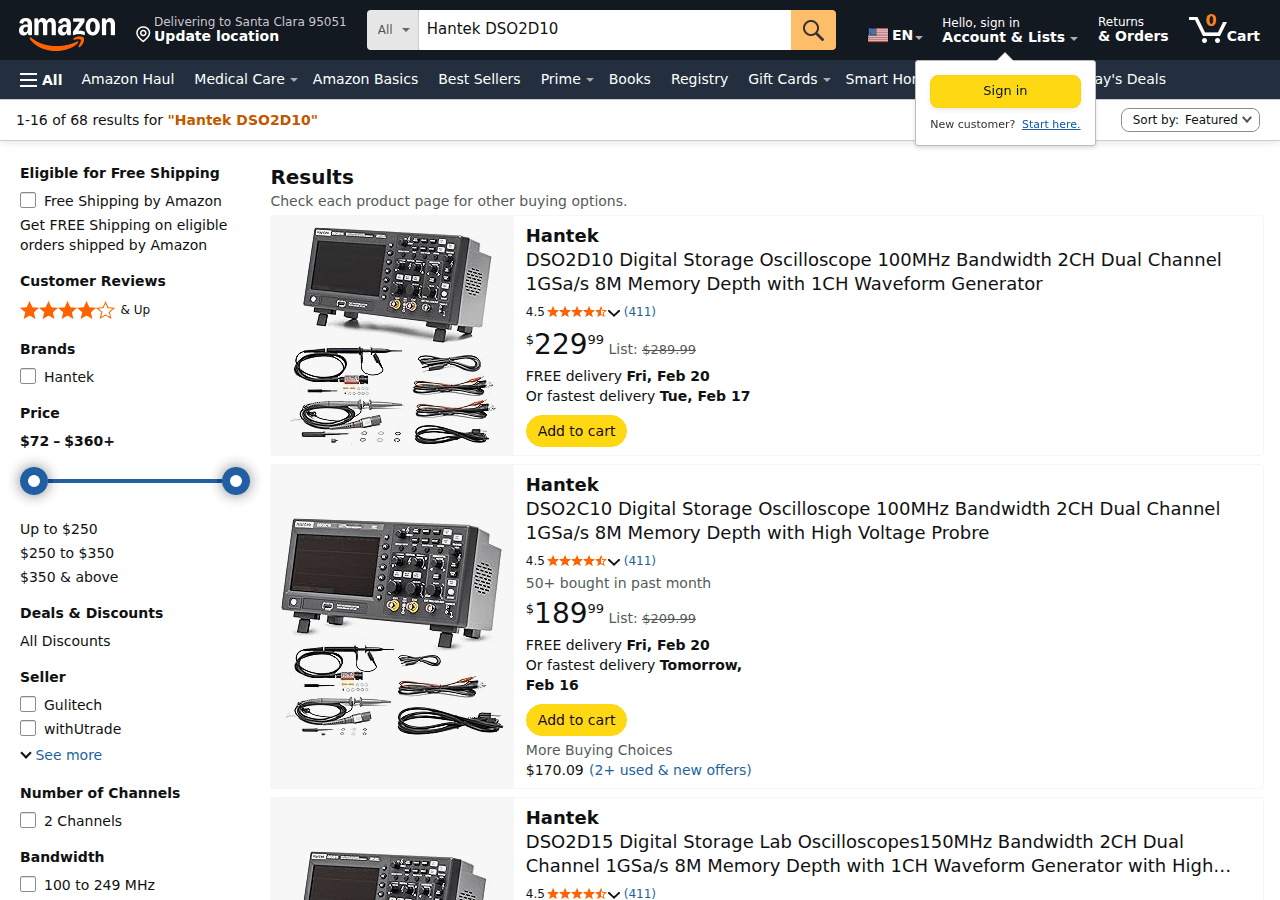
What I measured:
- Bandwidth actually hits 100MHz (verified with known source)
- Timebase is accurate enough for most work
- Signal generator outputs clean waveforms to ~10MHz
Limitations:
- UI is clunky. Budget scope, budget interface.
- Sample memory is limited. Don't try deep captures.
- Fan is loud on some units.
Verdict: If you need a real scope and have $200, this is it.
Soldering
FNIRSI HS-02B (~$50)
Portable soldering iron. USB-C PD powered. Actually good.
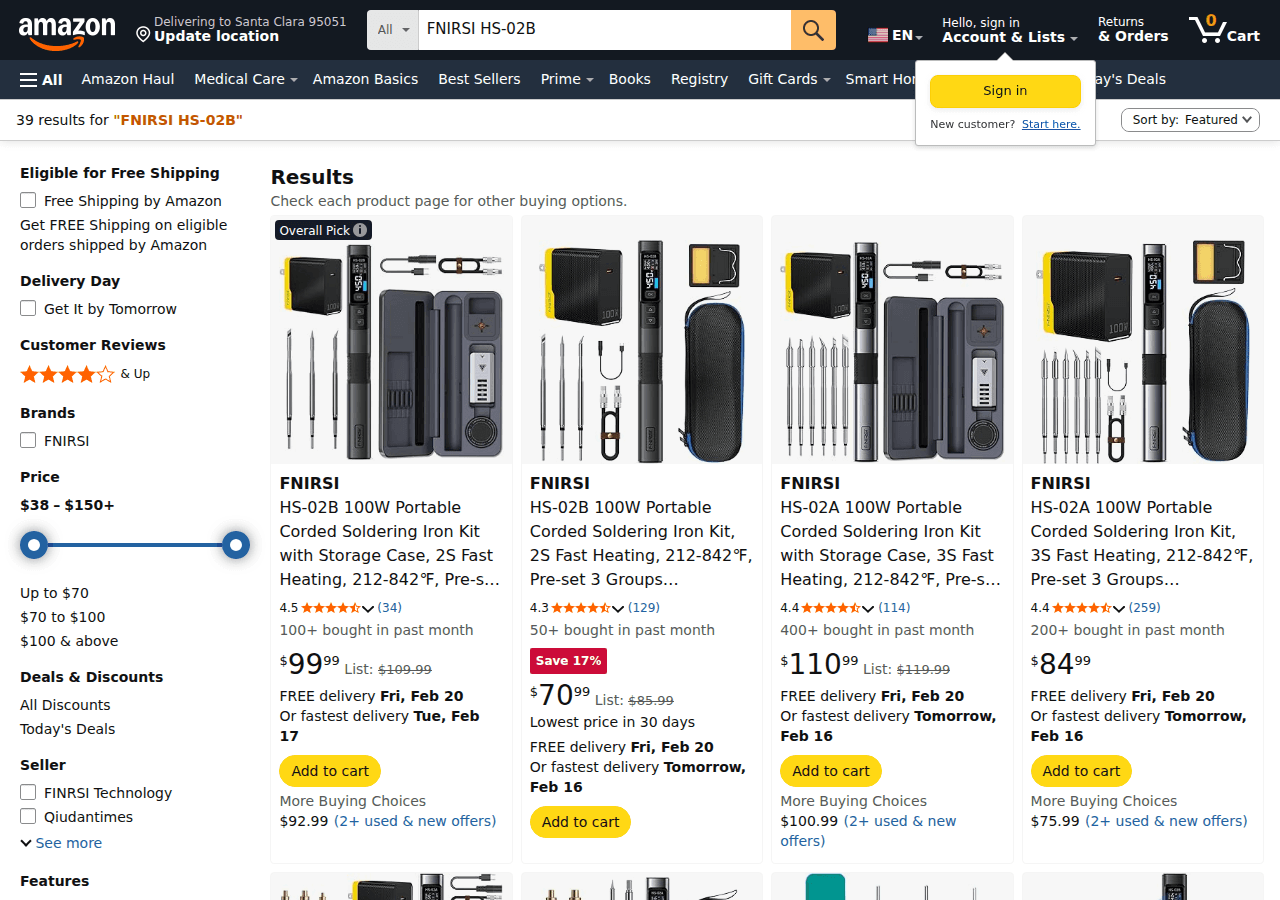
What I measured:
- Heats to 350°C in under 10 seconds from cold
- Temperature stability within ±5°C once settled
- Tips are JBC-clone compatible (huge win)
Limitations:
- Needs a 65W+ PD power source. Weak chargers won't cut it.
- Handle gets warm on long sessions.
Verdict: Replaced my Hakko for portable work.
TS101 (~$70)
The upgrade from the TS100. Same idea, better execution.
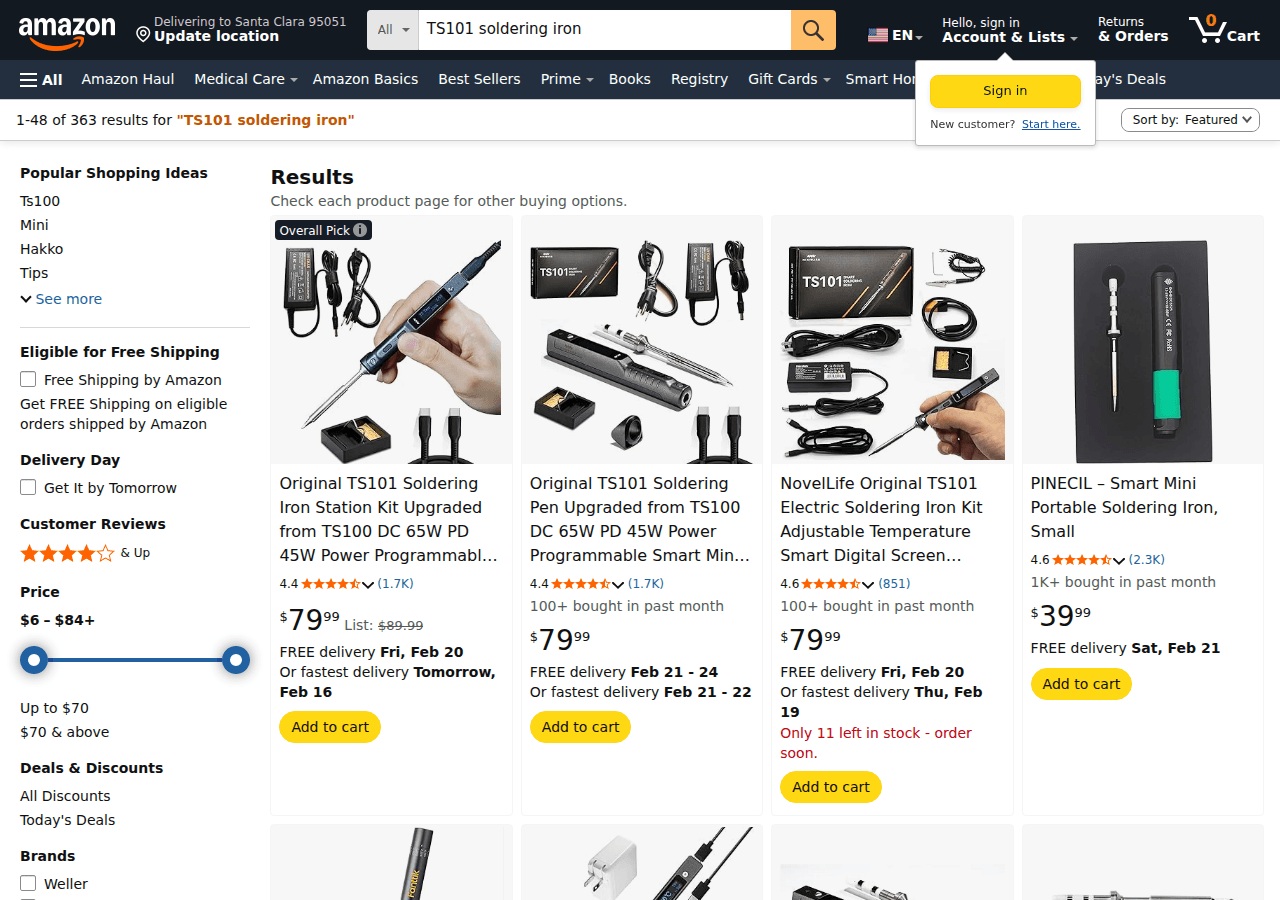
What I measured:
- STM32 brain. Firmware is open and hackable.
- OLED display is crisp.
- Heats even faster than the FNIRSI.
Limitations:
- Power barrel connector. Not USB-C without an adapter.
- Stock tips are fine but aftermarket varies wildly.
Verdict: Best portable iron if you want firmware control.
Power Supplies
RD6006 + Enclosure (~$80-100)
Buck converter module with a good interface. Add your own 24-48V input supply.
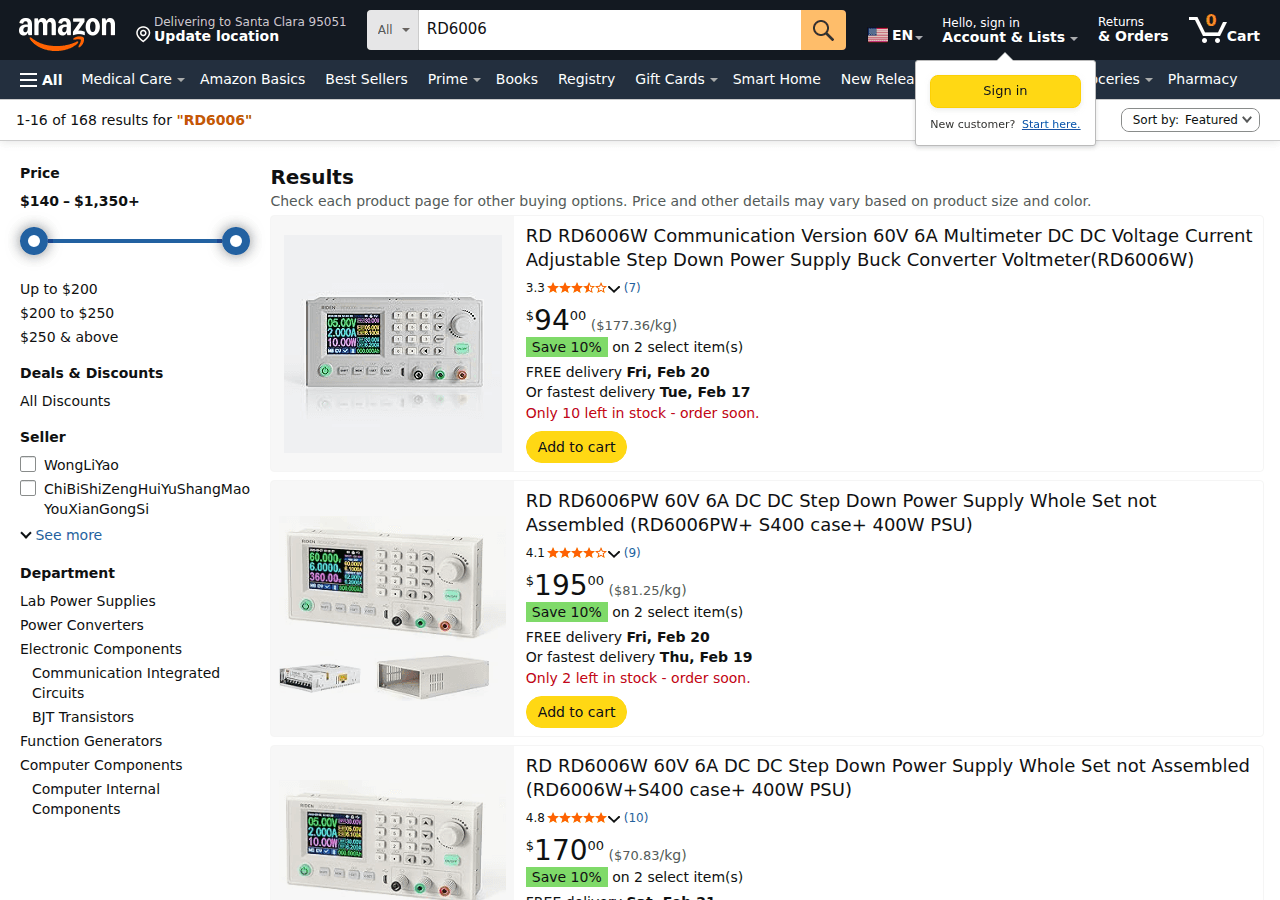
What I measured:
- Output regulation within 10mV under load
- Current limit actually works and trips correctly
- Wifi/USB logging is functional
Limitations:
- You need to provide input power. This is just the DC-DC stage.
- Calibration drifts slightly over time. Recalibrate yearly.
Verdict: Best value bench supply if you're willing to DIY the enclosure.
ESD Protection
Anti-static mat + wrist strap (~$15-25)
Not optional. Protect your parts.
Recommended ESD equipment:
- Use an ESD worksurface with specified resistance and a compatible grounding system.
- Use the manufacturer's wrist strap and current-limited cord.
- Follow the manufacturer's grounding instructions. Do not improvise a direct wrist-to-earth connection.
- Use this guidance only for unpowered low-voltage assemblies, away from exposed hazardous voltages.
Test it: Follow the wrist strap manufacturer's resistance-test procedure with the specified tester. A continuity buzzer alone cannot verify a strap because the grounding cord includes intentional resistance.
Affiliate Disclosure
Some links on this page are affiliate links. If you click and buy, I may get a small commission at no extra cost to you. I only recommend gear I've actually tested on my own bench.
The Short List
| Tool | Use Case | Price |
|---|---|---|
| Aneng AN8008 | Budget multimeter | ~$25 |
| UNI-T UT61E+ | Better multimeter | ~$80 |
| Hantek DSO2D10 | Budget oscilloscope | ~$180 |
| FNIRSI HS-02B | Portable soldering | ~$50 |
| RD6006 | Bench power supply | ~$80 |
Trust the datasheet. Then trust the scope. Measure it. Do not guess.
Changelog
- 2026-10-26: Replaced improvised ESD grounding and continuity testing with manufacturer-specified equipment, current-limited grounding and resistance testing for unpowered low-voltage assemblies.